Coaching intake
Make the next training step impossible to miss.
Kinetic design, program cards, proof stats, and real intake forms without fake transformation claims.

Program ladder
Show prospects exactly how coaching progresses.
Replace vague transformation promises with a visible sequence: assess, build, condition, adjust, and keep the next step obvious.
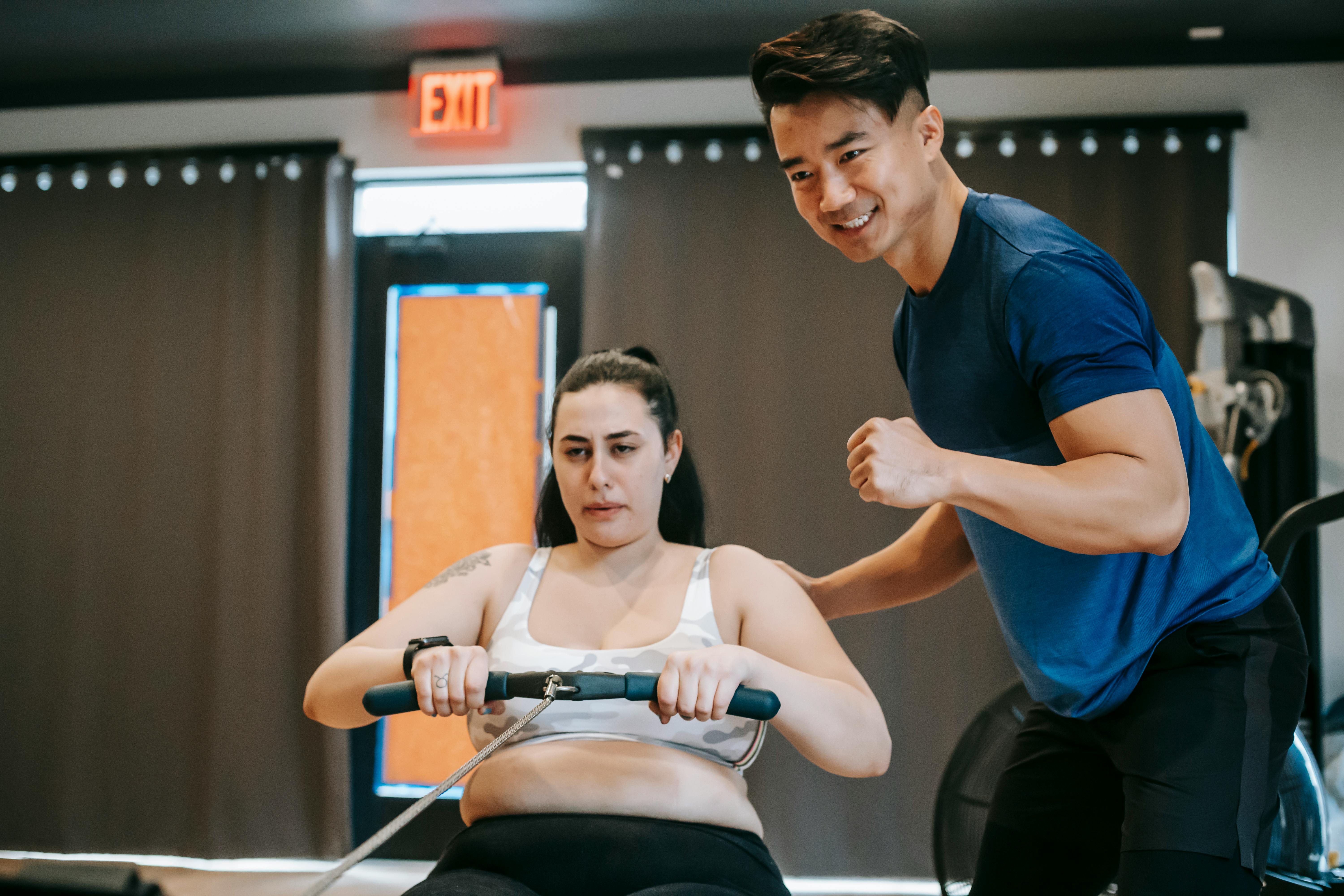
Strength Blocks
Show progressive strength programs with simple paths for different levels.
4 levelsMobility Reset
Explain recovery and movement sessions without overwhelming visitors.
20 min routinesFuel Coaching
Position nutrition guidance as support, not unsupported medical claims.
Weekly check-insAccountability System
Explain check-ins, habit tracking, and coach communication.
3 touchpointsTraining rhythm
Make the program feel active before the first call.
Balanced image frames keep coaching visuals consistent across desktop and mobile, without stretched media or uneven cards.
Plan the baseline
Start with goals, constraints, schedule, and current training history.
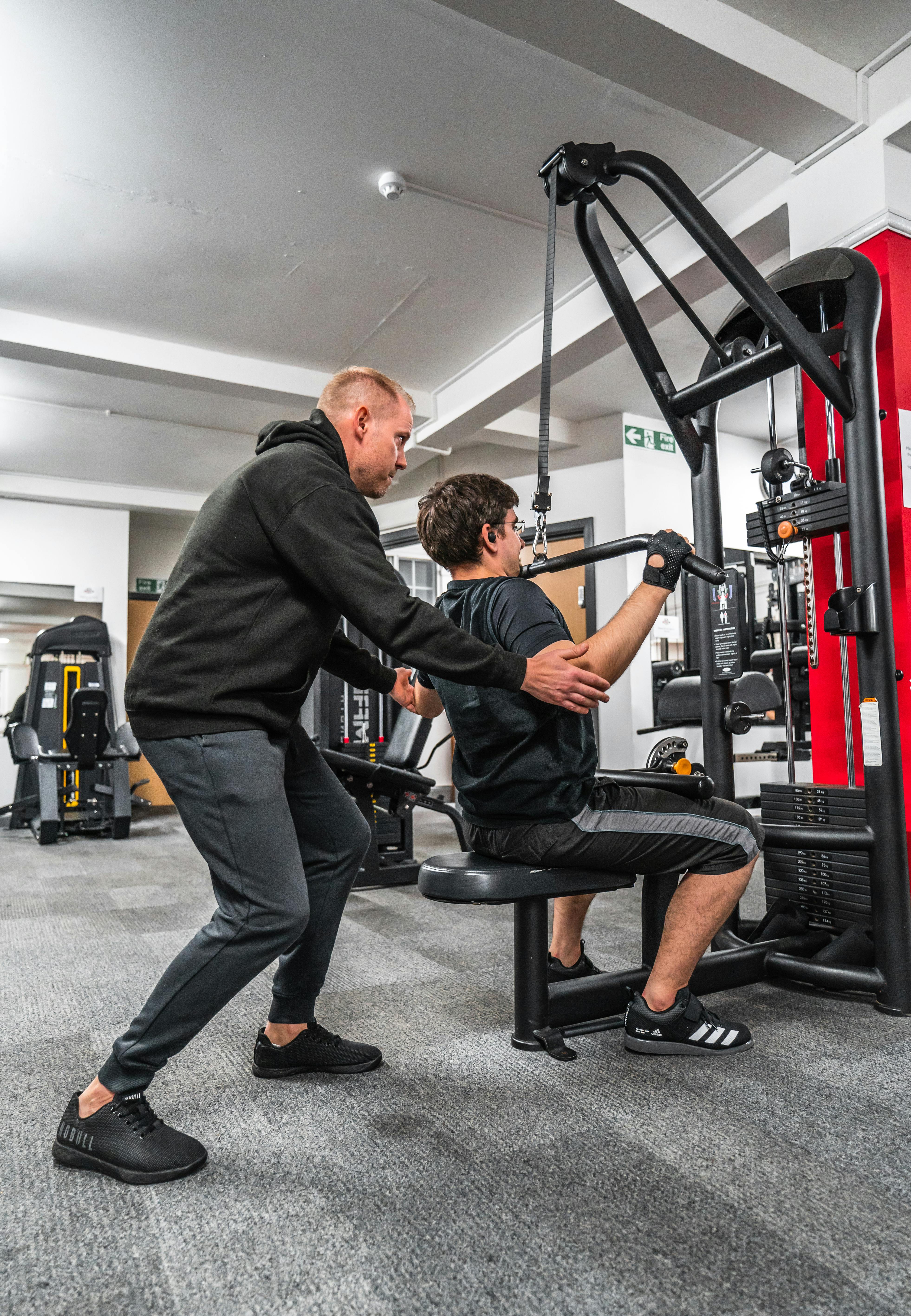
Build the weekly block
Show how strength, conditioning, mobility, and recovery fit together.

Route the next step
Send serious prospects to assessment while keeping a lighter question path open.
Assessment route
Use the site to qualify fit before scheduling.
- GoalWhat does the client want to change?
- CapacityHow many days can they train consistently?
- SupportWhat coaching format should follow?
Assessment first, sales second.
The form path is designed for coaches who need cleaner context before committing to a program recommendation.
Coach method
Practical coaching, visible structure, no fake claims.
The about page gives the coach a credible way to explain assessment, programming, check-ins, and accountability without relying on before-and-after hype.

Coach fit first
Use a human-led visual block so this page does not fall back into generic marketplace cards.
Assess the real week
Training only works when the plan fits schedule, equipment, injury history, and energy.
Adjust from feedback
Progress notes, questions, and check-ins keep the next block grounded.
Coach the pattern
Programming, recovery, and habits are reviewed as one repeatable training system.

Progress without hype
Show measurable habits without fake transformation claims.
Use safe, practical signals: weekly completion, consistency, movement confidence, and coach feedback. The theme sells a coaching system, not guaranteed outcomes.
Program records
Update coaching highlights without redesigning the page.
Program blocks, proof notes, and method details stay editable from CMS while the public site keeps the same high-energy coaching layout.
Apply for coaching
Apply for a coaching assessment.
Collect goals, schedule, and training context through the installed primary form. Follow-up stays account-aware for signed-in visitors.